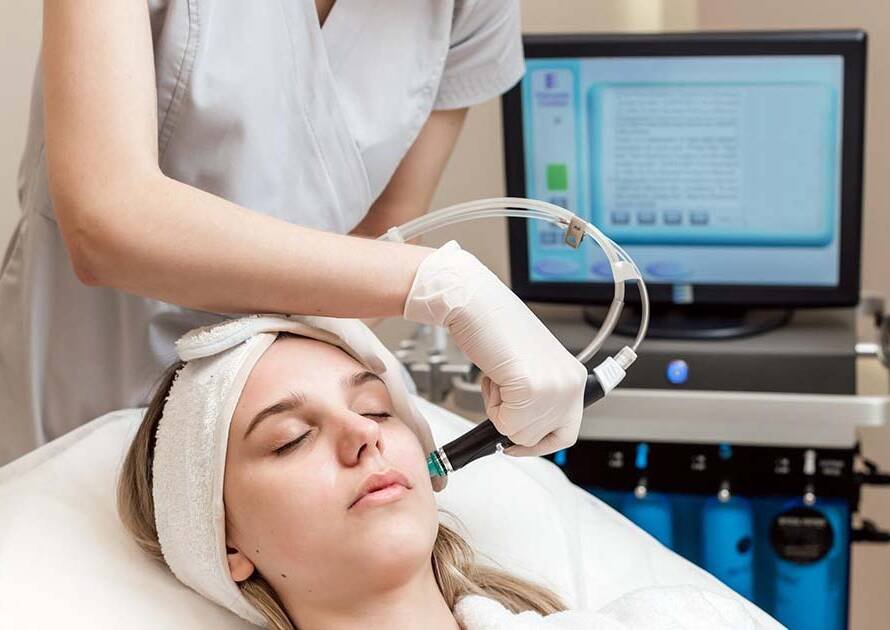
Thinning Hair Solutions: With Herbal Oils, Modern Clinical Approaches and Home Remedies
Introduction
Thinning hair is a common concern that affects individuals of all ages, genders, and backgrounds. While hair loss is often perceived as a cosmetic issue, its impact extends far beyond appearance, influencing confidence, social interactions, and psychological health. The causes of Thinning Hair Solutions are multifactorial, including genetics, hormonal vicissitudes, nutritional deficiencies, stress, medical conditions, and lifestyle factors. Importantly, the patterns, underlying mechanisms, and effective interventions can differ significantly between men and women, as well as across different age groups.
This report provides an careful, scientific exploration of thinning hair solutions, structured according to the following solution:
1. Comparison of causes and gender specific approaches.
2. Natural remedies and nutritional support.
3. Medical treatments, including FDA-approved options and advanced therapies.
4. Lifestyle modifications for prevention and management.
5. Age specific strategies for hair health across the lifetime.
Special attention is given to the psychological impact of hair loss, the importance of individualized care, and the local context of Thinning Hair Solutions prevalence and treatment access in Bangladesh. Each section integrates current research, clinical guidelines, and practical recommendations to empower individuals and clinicians in addressing thinning hair holistically.
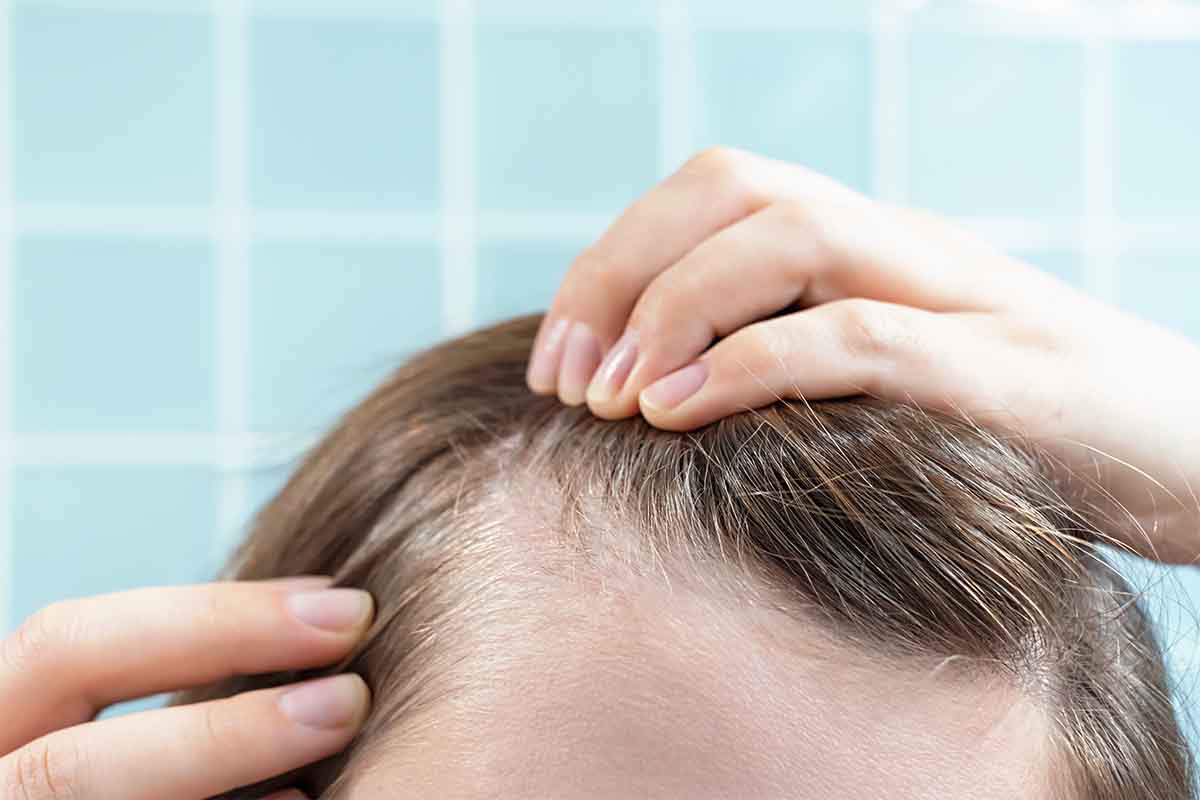
Thinning Hair Solutions for Men and Women
Comparing Common Causes of Hair Thinning in Men vs. Women
Thinning Hair Solutions, or alopecia, manifests differently in men and women due to distinct genetic, hormonal, and environmental influences. Understanding these differences is crucial for effective diagnosis and treatment.
Genetic and Hormonal Factors
The most prevalent cause of hair thinning in both sexes is androgenetic alopecia (AGA), commonly known as male or female pattern baldness. In men, AGA is primarily driven by genetic sensitivity to dihydrotestosterone (DHT), a potent androgen derived from testosterone. This sensitivity leads to the miniaturization of hair follicles, particularly at the temples, frontal hairline, and crown, resulting in a receding hairline and bald spots. By age 50, up to 50% of men experience some degree of AGA, with prevalence increasing with age.
In women, AGA typically presents as diffuse thinning over the crown and widening of the part, with the frontal hairline usually preserved. Female pattern hair loss often emerges after menopause, when declining estrogen levels shift the hormonal balance in favor of androgens. However, the genetic underpinnings in women are less well understood, and the condition is frequently multifactorial.
Other Contributing Factors
Stress and Telogen Effluvium: Both men and women can experience acute or chronic hair shedding (telogen effluvium) triggered by significant stress, illness, surgery, or rapid weight loss. Stress elevates cortisol, which disrupts the hair growth cycle and pushes follicles prematurely into the shedding phase.
Nutritional Deficiencies: Deficiencies in iron, vitamin D, zinc, and biotin are well-documented contributors to hair thinning, particularly in women of reproductive age due to menstruation and pregnancy.
Medical Conditions: Thyroid disorders, polycystic ovary syndrome (PCOS), autoimmune diseases (e.g., alopecia areata), and certain medications can cause or exacerbate hair loss in both sexes, but some conditions (like PCOS) are unique to women.
Hair Care Practices: Traction alopecia, resulting from tight hairstyles, is more common in women, especially those who frequently wear braids, ponytails, or extensions. Chemical treatments and heat styling can also damage hair and contribute to Thinning Hair Solutions.
Table 1: Key Differences in Hair Thinning Causes by Gender
| Factor | Men | Women |
|---|---|---|
| Genetics | Strong, often paternal lineage | Strong, but more complex inheritance |
| Hormones | DHT-driven, testosterone sensitivity | Estrogen decline, androgen excess (PCOS) |
| Pattern | Receding hairline, vertex balding | Diffuse crown thinning, widened part |
| Stress | Triggers telogen effluvium | Triggers telogen effluvium |
| Nutrition | Zinc, protein, iron, vitamin D | Iron, vitamin D, biotin, zinc |
| Hair Practices | Less common | Traction, chemical, heat styling |
| Medical Conditions | Heart disease risk, thyroid, medications | PCOS, thyroid, autoimmune, medications |
The above table highlights the complex interaction of factors that identify male and female Thinning Hair Solutions. While AGA is the most common etiology in both, women are more susceptible to diffuse thinning from hormonal shifts, nutritional deficiencies, and damaging hair practices. Men, conversely, are more likely to experience patterned balding linked to DHT sensitivity.
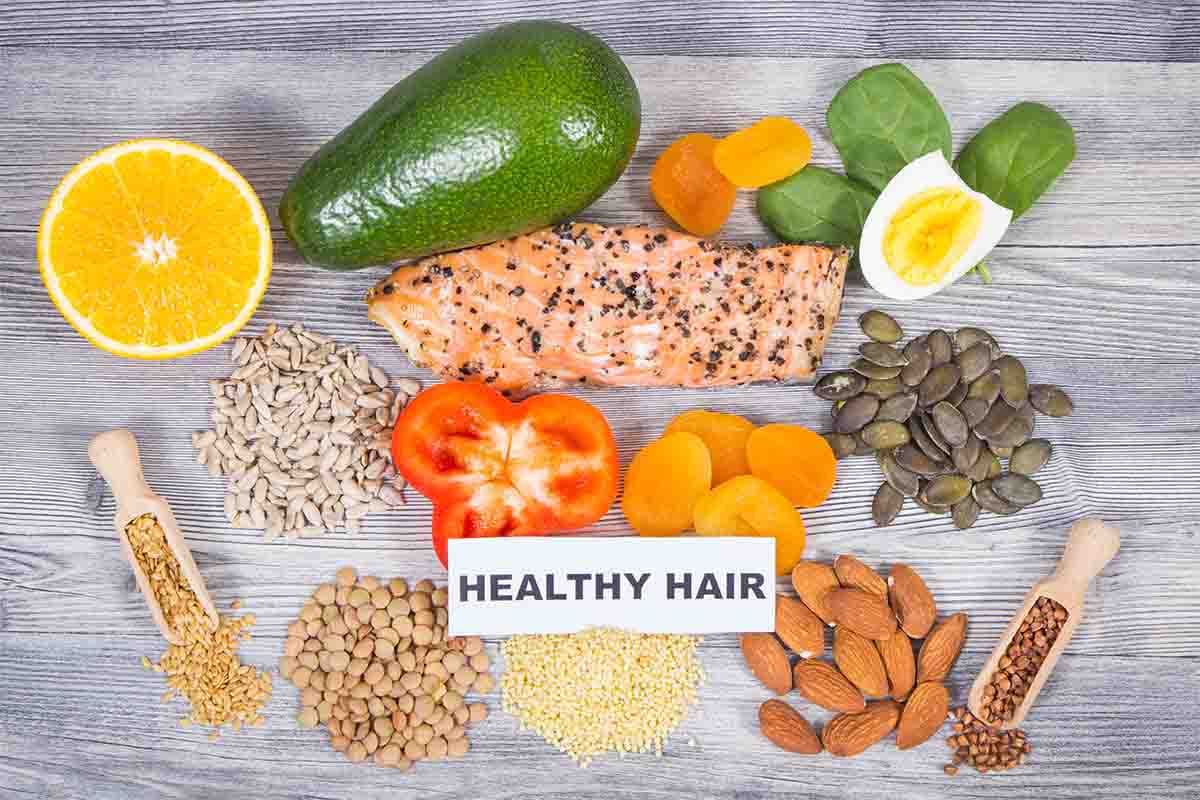
Gender-Specific Treatment Approaches and Product Recommendations
Men
FDA-Approved Treatments: Minoxidil (topical) and finasteride (oral) are the mainstays for male pattern hair loss. Minoxidil increases scalp blood flow and prolongs the anagen phase, while finasteride inhibits 5-alpha-reductase, reducing DHT levels and slowing follicle miniaturization.
Low-Level Laser Therapy (LLLT): FDA-cleared devices (combs, caps, helmets) can stimulate follicle activity and are suitable for men with early to moderate Thinning Hair Solutions.
Hair Transplantation: Follicular unit excision (FUE) and follicular unit transplantation (FUT) are effective surgical options for advanced cases, with FUE now being the most common technique globally.
DHT-Blocking Shampoos: Products containing saw palmetto, pumpkin seed oil, or caffeine may provide adjunctive benefits, though evidence is less robust than for medications.
Women
Minoxidil: The only FDA-approved topical treatment for female pattern hair loss. Both 2% and 5% formulations are used, with 5% often preferred for efficacy.
Spironolactone: An oral anti-androgen, often prescribed for women with PCOS or androgen excess. It blocks DHT at the follicle level and can be used alone or with minoxidil.
Oral Contraceptives: Low-androgen birth control pills can help stabilize hormones and reduce shedding in women with hormonally driven hair loss.
Nutraceuticals and Supplements: Formulations containing biotin, iron, vitamin D, zinc, and adaptogenic herbs (e.g., ashwagandha) are popular, especially for stress-related or nutritional hair loss.
Shampoos and Conditioners: Products with biotin, keratin, argan oil, and DHT blockers are marketed for women, with volumizing and moisturizing properties to address Thinning Hair Solutions and dryness.
Table 2: Gender-Specific Product Recommendations
| Product Type | Men | Women |
|---|---|---|
| Topical Minoxidil | 5% foam/solution, 1 mL twice daily | 2% or 5% solution, once or twice daily |
| Oral Finasteride | 1 mg daily (contraindicated in women) | Not recommended (except postmenopause) |
| Spironolactone | Not used | 50–200 mg daily (Rx only) |
| LLLT Devices | Combs, caps, helmets | Combs, caps, helmets |
| DHT-Blocking Shampoo | Saw palmetto, caffeine, pumpkin seed | Biotin, saw palmetto, argan oil |
| Nutraceuticals | Biotin, zinc, vitamin D | Biotin, iron, vitamin D, ashwagandha |
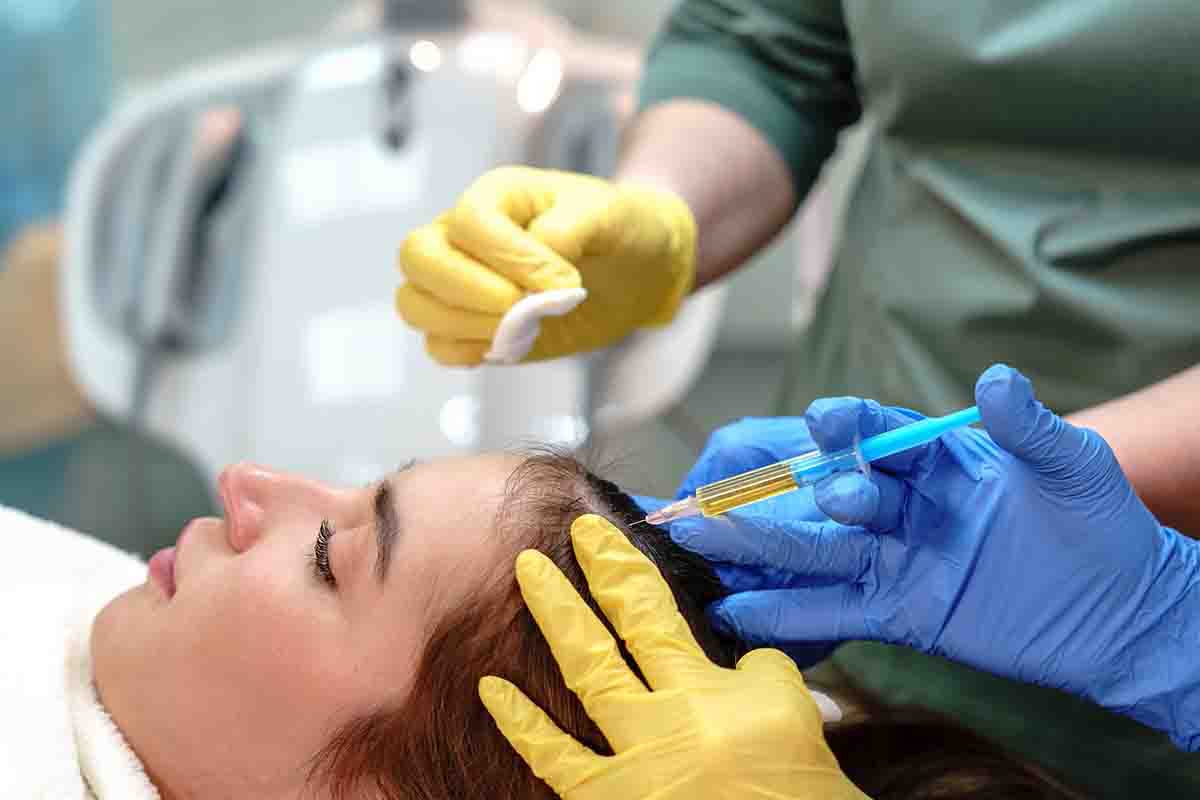
Clinical Considerations
Finasteride is contraindicated in women of childbearing age due to teratogenicity and is generally reserved for postmenopausal women under specialist supervision.
Spironolactone and oral contraceptives are particularly beneficial for women with PCOS or androgen excess.
Combination therapies (e.g., minoxidil plus spironolactone) may offer enhanced efficacy, especially in women with multifactorial hair loss.
Psychological Impact and Support
Thinning Hair Solutions can have profound psychological effects, especially in women, including anxiety, depression, social withdrawal, and diminished confidence. Supportive interventions such as cognitive behavioral therapy (CBT), peer support groups, and cosmetic solutions (wigs, scalp micropigmentation) are effective in alleviating distress and improving quality of life.
Read More Hair Solutions: https://carevitalhub.com/main-reason-for-hair-fall-genetic-hormonal/
Thinning Hair Solutions Through Natural Remedies
Natural Oils: Castor Oil, Rosemary Oil, Onion Juice, and Others
Natural oils and plant-based remedies have gained popularity as adjuncts or alternatives to conventional treatments for Thinning Hair Solutions. While scientific evidence varies, several oils have demonstrated promising effects in clinical and laboratory studies.
Castor Oil
Castor oil is rich in ricinoleic acid, which is believed to improve scalp blood flow, strengthen roots, and enhance hair density over time. It is typically applied as a warm oil massage, left on for at least one hour or overnight, and used weekly due to its thick consistency. Mixing castor oil with lighter oils (e.g., almond or coconut) can facilitate application and prevent buildup.
Rosemary Oil
Rosemary oil is often referred to as the “natural minoxidil” due to its ability to stimulate blood circulation around hair follicles and extend the growth phase. A 2025 double blind, placebo-controlled clinical trial found that rosemary lavender and rosemary castor oil blends significantly improved hair growth rate, density, thickness, and reduced hair fall compared to coconut oil placebo over 90 days. Another pivotal study compared rosemary oil to 2% minoxidil in men with androgenetic alopecia and found comparable increases in hair count after six months, with fewer side effects in the rosemary group.
Onion Juice
Onion juice is high in sulfur, which supports keratin production and may stimulate regrowth in patchy Thinning Hair Solutions. Clinical studies have shown that consistent application of onion juice to the scalp can improve hair regrowth in alopecia areata and diffuse thinning. The strong odor can be mitigated by mixing with aloe vera gel.
Other Oils and Remedies
Aloe Vera: Reduces scalp inflammation, balances pH, and unclogs follicles, creating a healthier environment for hair growth.
Fenugreek Seeds: Rich in protein and nicotinic acid, fenugreek seeds help rebuild damaged shafts and prevent further thinning.
Pumpkin Seed Oil: Contains DHT-blocking properties and essential fatty acids, shown to reduce shedding and increase hair thickness when used topically or as a supplement.
Green Tea Rinse: EGCG in green tea reduces DHT and stimulates sluggish follicles.
Table 3: Natural Oils and Their Mechanisms
| Oil/Remedy | Key Components | Mechanism of Action | Evidence Level |
|---|---|---|---|
| Castor Oil | Ricinoleic acid | Increases blood flow, strengthens roots | Traditional, some studies |
| Rosemary Oil | Carnosic acid, antioxidants | Improves circulation, DHT inhibition, anti-inflammatory | Clinical trials, animal studies |
| Onion Juice | Sulfur, antioxidants | Boosts keratin, stimulates regrowth | Small clinical studies |
| Pumpkin Seed Oil | Fatty acids, zinc | DHT blocker, nourishes follicles | Animal, small human studies |
| Aloe Vera | Enzymes, vitamins | Reduces inflammation, balances pH | Traditional, some studies |
| Fenugreek Seeds | Protein, nicotinic acid | Rebuilds shafts, coats hair | Traditional, limited studies |
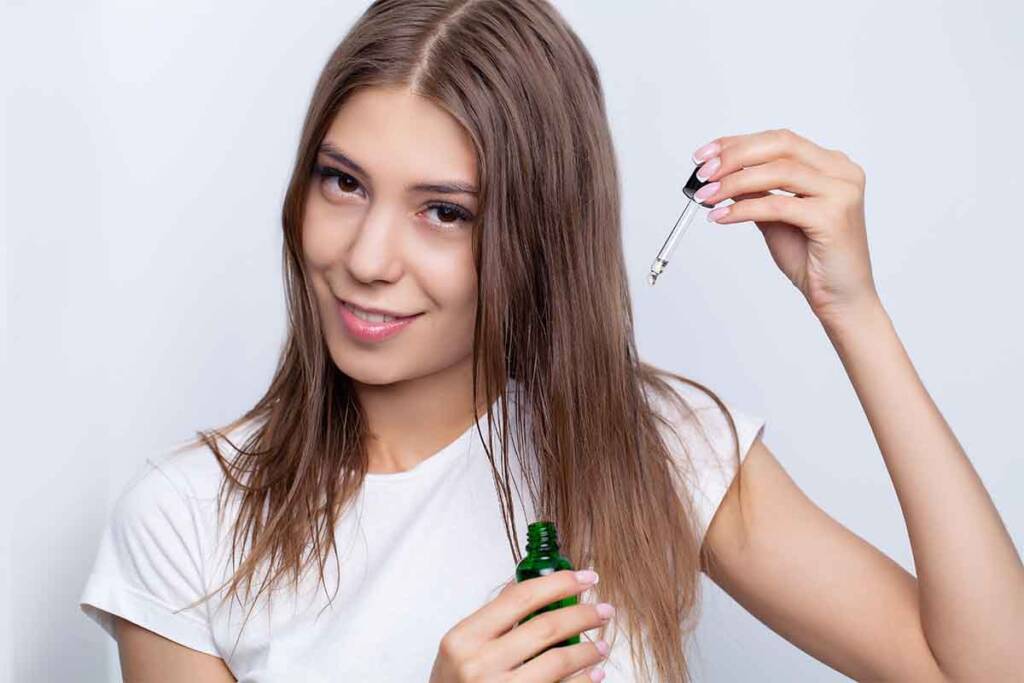
Practical Application
Oils should be diluted with carrier oils and patch-tested before use to avoid irritation.
Consistency is key; most natural remedies require several months of regular application for visible results.
Natural oils can be integrated with scalp massage for enhanced benefits.
Nutritional Support: Biotin, Iron, Vitamin D, and More
Optimal hair growth depends on adequate intake of specific vitamins and minerals. Deficiencies can disrupt the hair cycle, leading to thinning and increased shedding.
Biotin (Vitamin B7)
Biotin is essential for keratin production and hair strength. While true biotin deficiency is rare, supplementation may benefit individuals with confirmed low levels or those taking medications that interfere with biotin absorption. Food sources include eggs, liver, nuts, and seeds.
Iron and Ferritin
Iron deficiency is a leading cause of diffuse hair loss, particularly in women of reproductive age. Ferritin, the storage form of iron, is a critical marker; levels below 30–40 ng/mL are associated with increased shedding, even if serum iron appears normal. Iron-rich foods include red meat, poultry, fish, lentils, and fortified cereals. Vitamin C enhances iron absorption.
Vitamin D
Vitamin D receptors are present in hair follicles, and deficiency is linked to various forms of alopecia, including androgenetic alopecia and telogen effluvium. Sun exposure, fatty fish, egg yolks, and fortified foods are primary sources.
Zinc
Zinc supports cell division and follicle health. Deficiency can cause Thinning Hair Solutions and poor regrowth. Sources include oysters, beef, pumpkin seeds, and lentils.
Testing Before Supplementation
It is essential to confirm deficiencies through blood tests before starting supplements, as excess intake can cause toxicity or paradoxically worsen hair loss.
Other Nutrients
Folic Acid: Supports DNA synthesis and follicle health.
Collagen: May promote new hair growth by increasing growth factor secretion.
Saw Palmetto: Plant extract with DHT-blocking properties, supported by some studies for hair loss.
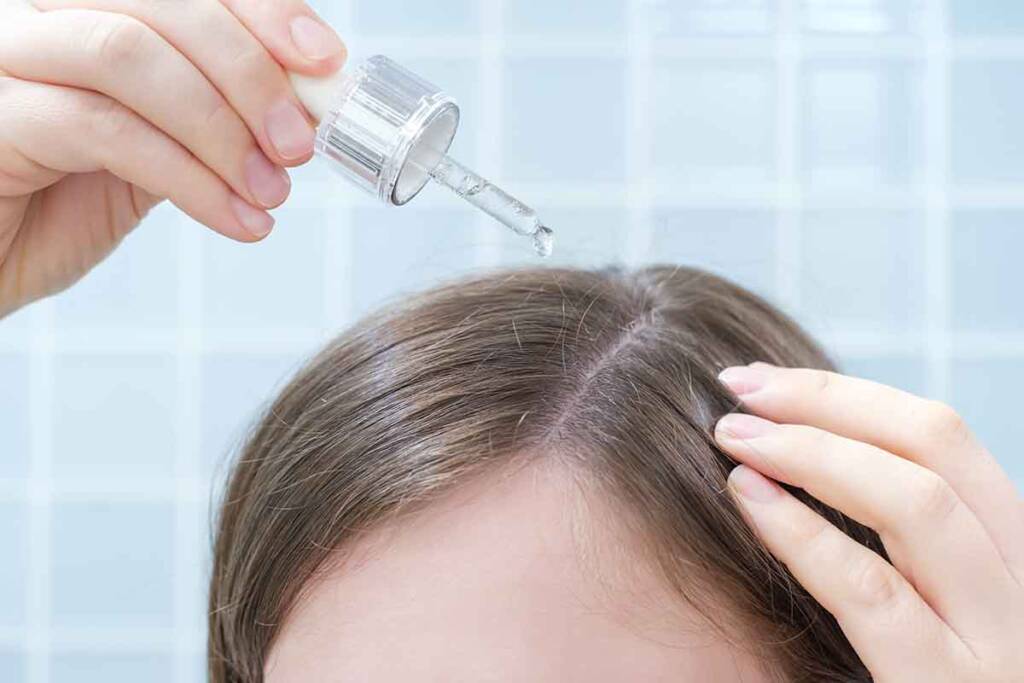
Home-Based Practices: Scalp Massage and Techniques
Scalp Massage
Regular scalp massage has been shown to increase hair thickness and promote regrowth by stimulating blood flow and mechanotransduction pathways in the scalp. A 2019 study found that twice-daily, 20-minute standardized scalp massages led to hair loss stabilization or regrowth in nearly 70% of participants with androgenetic alopecia after several months.
Techniques
Use fingertips to apply moderate pressure in circular motions across the scalp for 5–10 minutes daily.
Incorporate essential oils (e.g., rosemary, peppermint) diluted in carrier oils for added benefits.
Consistency is crucial; results typically appear after 3–6 months of regular practice.
Benefits
Enhances nutrient delivery to follicles
Reduces scalp tension and stress
May improve the efficacy of topical treatments
Cautions
Avoid excessive pressure or aggressive techniques that could damage hair shafts or follicles.
Individuals with scalp conditions (e.g., psoriasis, dermatitis) should consult a dermatologist before starting massage routines.
Thinning Hair Solutions Using Medical Treatments
FDA-Approved Treatments: Minoxidil, Finasteride, and LLLT
Minoxidil
Minoxidil is the only FDA-approved topical treatment for both male and female pattern hair loss. It is available in 2% and 5% formulations (solution or foam) and works by increasing blood flow to hair follicles, shortening the telogen phase, and prolonging the anagen phase.
Men: 5% foam or solution, 1 mL twice daily to affected areas.
Women: 2% solution twice daily or 5% foam once daily (higher concentrations may be used off-label under supervision).
Onset: Visible results typically appear after 3–6 months of consistent use; discontinuation leads to loss of regrown hair within months.
Side Effects: Scalp irritation, unwanted facial hair growth (if solution spreads), initial shedding.
Finasteride
Finasteride is an oral 5-alpha-reductase inhibitor that reduces DHT levels, slowing follicle miniaturization in male pattern hair loss.
Indication: Approved for men only (1 mg daily); not recommended for women of childbearing age due to teratogenicity.
Efficacy: 80–90% response rate in men, with most experiencing stabilization and some regrowth over 2 years.
Side Effects: Sexual dysfunction (2–4%), depression, reduced PSA levels (important for prostate cancer screening).
Topical Finasteride: Emerging as a potential alternative with fewer systemic side effects, but not yet FDA-approved.
Low-Level Laser Therapy (LLLT)
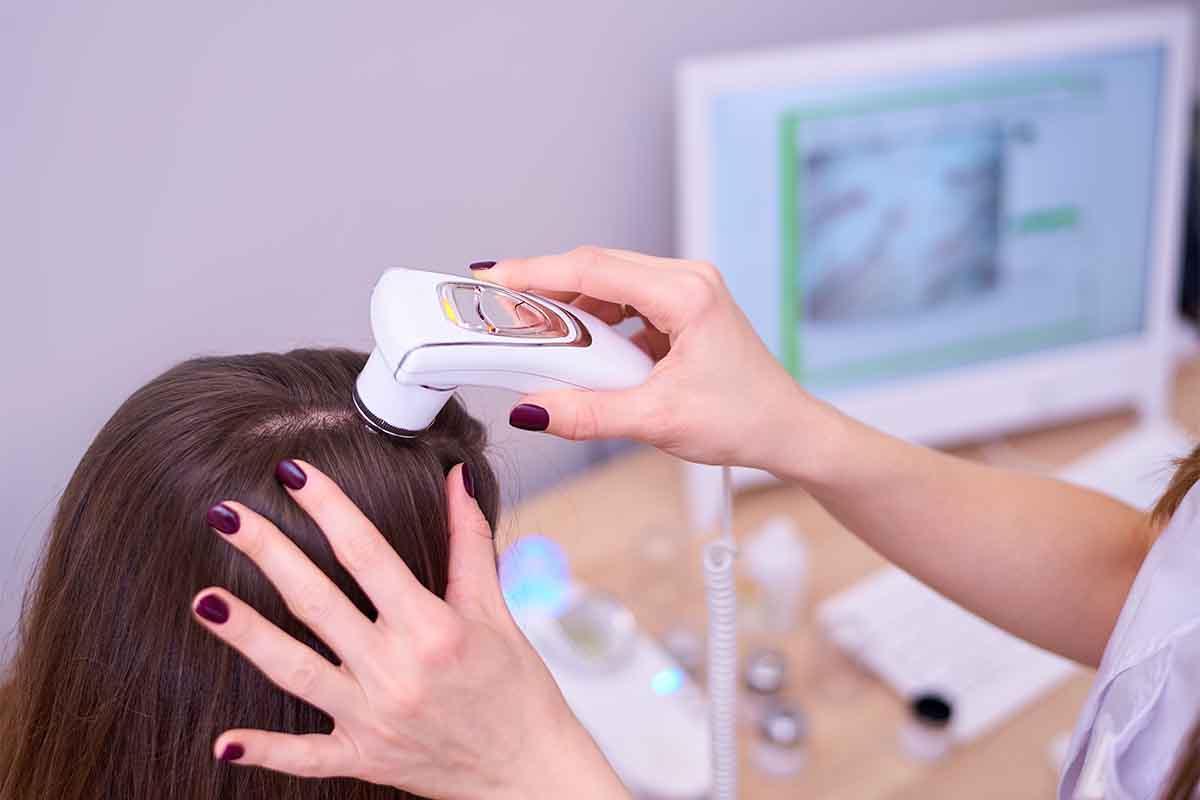
LLLT devices (combs, caps, helmets) are FDA-cleared for androgenetic alopecia in both men and women. They use red light to stimulate follicle activity, increase stem cell function, and promote hair growth.
Protocol: 3–4 times per week for 6–12 months.
Efficacy: Studies show significant improvements in hair density and thickness, with minimal side effects (redness, scalp tenderness).
Cost: Devices range from several hundred to thousands of dollars.
Platelet-Rich Plasma (PRP) Therapy: Protocols and Effectiveness
PRP therapy involves injecting a concentrated solution of the patient’s own platelets into the scalp to stimulate hair regrowth. Platelets release growth factors (PDGF, VEGF, TGF-β, FGF, EGF, IGF-1) that promote follicle regeneration, angiogenesis, and prolongation of the anagen phase.
Protocols
Preparation: Blood is drawn and centrifuged to concentrate platelets (single-spin or double-spin methods; double-spin may yield higher concentrations but evidence is mixed).
Administration: 3–4 sessions spaced 4–6 weeks apart, with maintenance every 6–12 months.
Activation: PRP can be activated with calcium chloride or thrombin for sustained growth factor release.
Effectiveness
Meta-analyses show significant increases in hair density (mean difference ~20 hairs/cm²) and reductions in hair loss compared to placebo, with effects comparable to minoxidil and finasteride in some studies.
Patient Satisfaction: High, with most reporting improved density and reduced shedding.
Safety: Generally well-tolerated; side effects are mild and transient (pain, redness, swelling).
Limitations: Not all patients respond; optimal protocols are still being refined; cost is a barrier for many.
Combination Therapies
Combining PRP with minoxidil, microneedling, or hyaluronic acid may enhance results, as these modalities have synergistic effects on follicle stimulation and scalp health.
Hair Transplant Options: Techniques and Success Rates
Hair transplantation is the most definitive solution for advanced, irreversible hair loss. Two primary techniques are used:
Follicular Unit Excision (FUE)
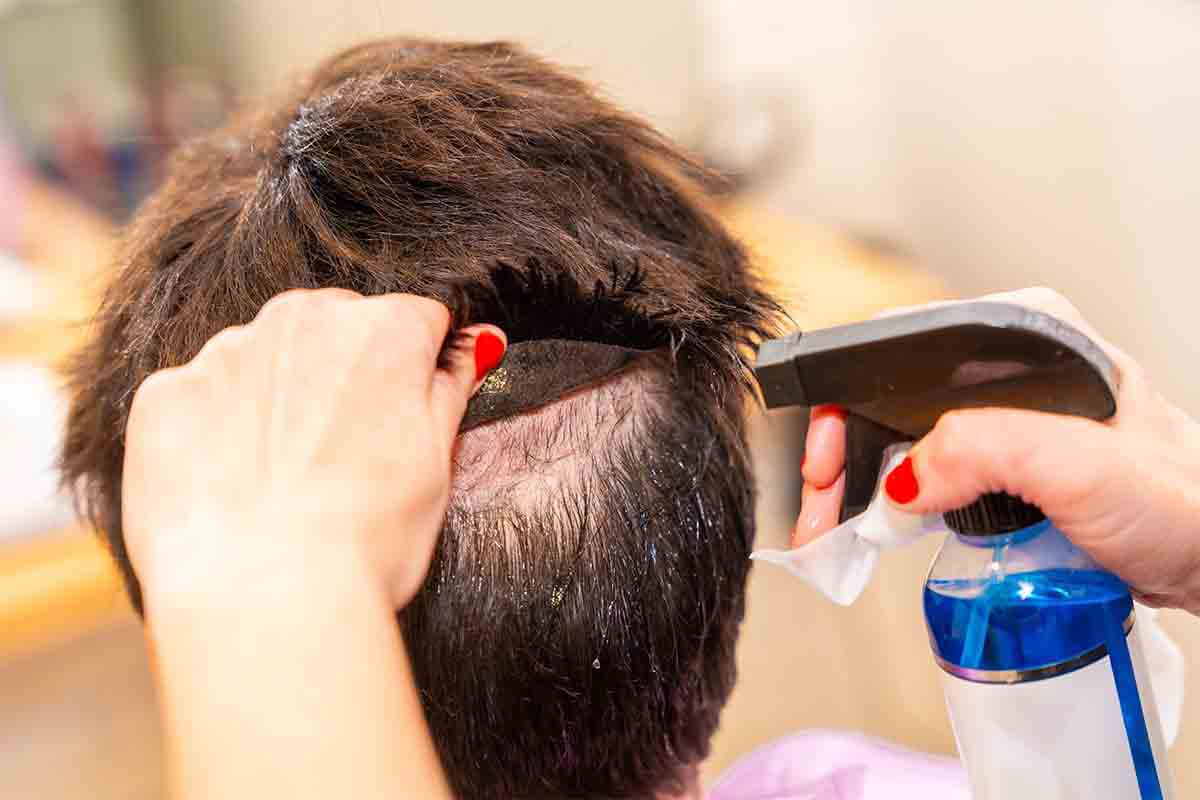
Method: Individual follicular units are extracted from the donor area (usually the occipital scalp) using micro-punches and transplanted to Thinning Hair Solutions or bald areas.
Advantages: No linear scar, faster healing, suitable for short hairstyles, lower risk of visible scarring.
Prevalence: Over 85% of male and 68% of female hair transplants globally use FUE.
Graft Survival: Modern FUE yields survival rates comparable to FUT (strip) methods, with studies showing negligible differences in hair yield and density.
Average Grafts: 1,000–4,000 per session, depending on extent of loss and donor supply.
Follicular Unit Transplantation (FUT/Strip Method)
Method: A strip of scalp is excised from the donor area, dissected into follicular units, and transplanted.
Advantages: May yield more grafts in a single session, especially for extensive loss; ideal for maximizing donor supply.
Disadvantages: Linear scar, longer recovery, not ideal for very short hairstyles.
Success Rates and Considerations
Success: Most patients achieve natural-looking, permanent results with one or two sessions; average graft survival exceeds 90% with experienced surgeons.
Candidacy: Best for those with stable hair loss and sufficient donor hair; women with diffuse Thinning Hair Solutions may be less ideal candidates but can still benefit with proper planning.
Risks: Infection, scarring, shock loss, and suboptimal growth if performed by inexperienced providers.
Emerging Techniques
Combination FUE + FUT: Maximizes graft harvest for extensive cases.
Robotic and Automated FUE: Improves precision and reduces operator fatigue.
Thinning Hair Solutions With Lifestyle Changes
Stress Management, Sleep, and Hydration
Stress Management
Chronic stress is a well-established trigger for telogen effluvium and can exacerbate androgenetic alopecia by elevating cortisol, which disrupts the hair cycle and induces premature shedding. Psychological interventions such as CBT, mindfulness meditation, and relaxation techniques have been shown to reduce stress-induced hair loss and improve coping.
Sleep
Poor sleep patterns disrupt hormonal regulation and cellular regeneration, increasing the risk of diffuse hair loss. Individuals sleeping less than six hours per night are nearly twice as likely to experience noticeable Thinning Hair Solutions. Prioritizing regular, restorative sleep supports follicle health.
Hydration
Adequate hydration maintains scalp health, supports nutrient delivery, and prevents dryness and brittleness. Aim for at least 1.5–2 liters of water daily, adjusting for climate and activity level.
Dietary Changes and Avoiding Damaging Hair Practices
Dietary Recommendations
Protein: Essential for keratin synthesis; include lean meats, fish, eggs, legumes, and dairy.
Micronutrients: Ensure sufficient intake of iron, vitamin D, zinc, biotin, and B vitamins through a balanced diet or targeted supplementation if deficiencies are confirmed.
Antioxidants: Fruits and vegetables rich in vitamins A, C, and E combat oxidative stress.
Avoiding Damaging Practices
Heat Styling: Frequent use of flat irons, curling rods, and blow dryers damages keratin and increases breakage risk by over 80%.
Chemical Treatments: Bleaching, relaxing, and perming weaken hair shafts and can cause permanent follicular damage.
Tight Hairstyles: Traction alopecia is preventable by avoiding tight braids, ponytails, and extensions; opt for looser styles and alternate hairstyles regularly.
Harsh Products: Avoid shampoos with sulfates, parabens, silicones, and alcohols, which strip natural oils and irritate the scalp.
Protective Hair Care
Use sulfate-free, moisturizing shampoos and conditioners with nourishing ingredients (e.g., biotin, argan oil, aloe vera).
Limit washing to 2–3 times per week to preserve natural oils.
Gently massage the scalp during washing to boost circulation.
Thinning Hair Solutions for Different Age Groups
Prevention Strategies for Young Adults
Early intervention is critical for preserving hair density and preventing irreversible follicle miniaturization. In the 20s and 30s, individuals should:
Monitor for early signs of Thinning Hair Solutions (widening part, increased shedding) and seek prompt evaluation.
Address modifiable risk factors: manage stress, maintain a balanced diet, avoid crash dieting, and limit damaging hair practices.
Consider starting minoxidil or LLLT at the first signs of pattern hair loss, as early treatment is more effective.
Regular blood tests to screen for iron, vitamin D, and thyroid function if hair loss is persistent or unexplained.
Adjustments for Hormonal Changes in Midlife
Midlife (40s–60s) is characterized by hormonal fluctuations, especially in women during perimenopause and menopause.
Women: Declining estrogen and increased androgen activity can trigger or worsen hair Thinning Hair Solutions. Hormone therapy may be considered for menopausal symptoms, but risks and benefits must be carefully weighed.
Topical Treatments: Minoxidil, topical spironolactone, and finasteride (in select cases) are effective for menopausal hair loss.
Nutritional Support: Address iron, vitamin D, and B12 deficiencies, which become more common with age.
Lifestyle: Continue stress management, gentle hair care, and regular scalp massage.

Scalp Care and Gentle Maintenance for Seniors
After age 65, over one-third of women and a significant proportion of men experience noticeable hair loss. In seniors:
Gentle Cleansing: Use sulfate-free, moisturizing shampoos and conditioners to prevent dryness and irritation.
Avoid Overwashing: Wash hair 1–2 times per week to maintain scalp oils.
Scalp Massage: Gentle massage supports circulation without stressing fragile follicles.
Protective Styling: Avoid tight hairstyles and minimize heat styling.
Medical Review: Rule out underlying conditions (e.g., thyroid dysfunction, anemia) and review medications that may contribute to hair loss.
Psychological Support: Address the emotional impact of hair loss through counseling, support groups, and cosmetic solutions (wigs, hairpieces) as needed.
Combination Therapies and Treatment Sequencing
Combining multiple modalities often yields superior results, especially in cases of multifactorial hair loss.
Topical Minoxidil + Oral Finasteride (Men): Addresses both vascular and hormonal pathways.
Minoxidil + Spironolactone (Women): Effective for androgen-driven female pattern hair loss.
PRP + Minoxidil/Microneedling: Synergistic effects on follicle stimulation and regrowth.
Nutritional Support + Medical Treatments: Correcting deficiencies enhances response to pharmacologic therapies.
Treatment sequencing should be individualized, starting with less invasive options and escalating as needed based on response and patient preference.
Conclusion
Thinning hair is a complex, multifactorial condition that requires a comprehensive, individualized approach. Key takeaways include:
Early intervention and accurate diagnosis are critical for optimal outcomes.
Gender-specific and age-appropriate strategies enhance efficacy and safety.
Natural remedies, nutritional support, and home-based practices can complement medical treatments, especially in early or mild cases.
FDA-approved therapies (minoxidil, finasteride, LLLT) and advanced options (PRP, hair transplantation) provide robust solutions for moderate to severe hair loss.
Lifestyle modifications, stress management, and gentle hair care are foundational for prevention and maintenance.
Psychological support and counseling are essential components of holistic care, addressing the profound emotional impact of hair loss.
Local context and access to care should inform public health initiatives and patient education, particularly in regions like Bangladesh where prevalence is high and awareness may be limited.
By integrating these strategies, individuals and clinicians can effectively address Thinning Hair Solutions, restore confidence, and improve quality of life across the lifespan.
Frequently Asked Questions (FAQs)
What are the main causes of Thinning Hair Solutions?
Genetics, hormonal changes, nutritional deficiencies, stress, and certain medical conditions are the most common causes.
Can Thinning Hair Solutions be reversed naturally?
In some cases, yes. Natural remedies like scalp massage, essential oils (rosemary, castor), and a nutrient-rich diet may help slow or reduce Thinning Hair Solutions.
Which medical treatments are effective for Thinning Hair Solutions?
FDA-approved options such as minoxidil and finasteride are widely used. PRP therapy and hair transplants are also effective for certain individuals.
Does age affect thinning hair solutions?
Yes. Younger adults often focus on prevention, midlife solutions may address hormonal changes, and seniors benefit from gentle scalp care.
How long does it take to see results from Thinning Hair Solutions treatments?
Natural remedies may take several months, while medical treatments like minoxidil typically show results in 3–6 months.