Main Reason for Hair Fall and What You Can Do About It
Introduction
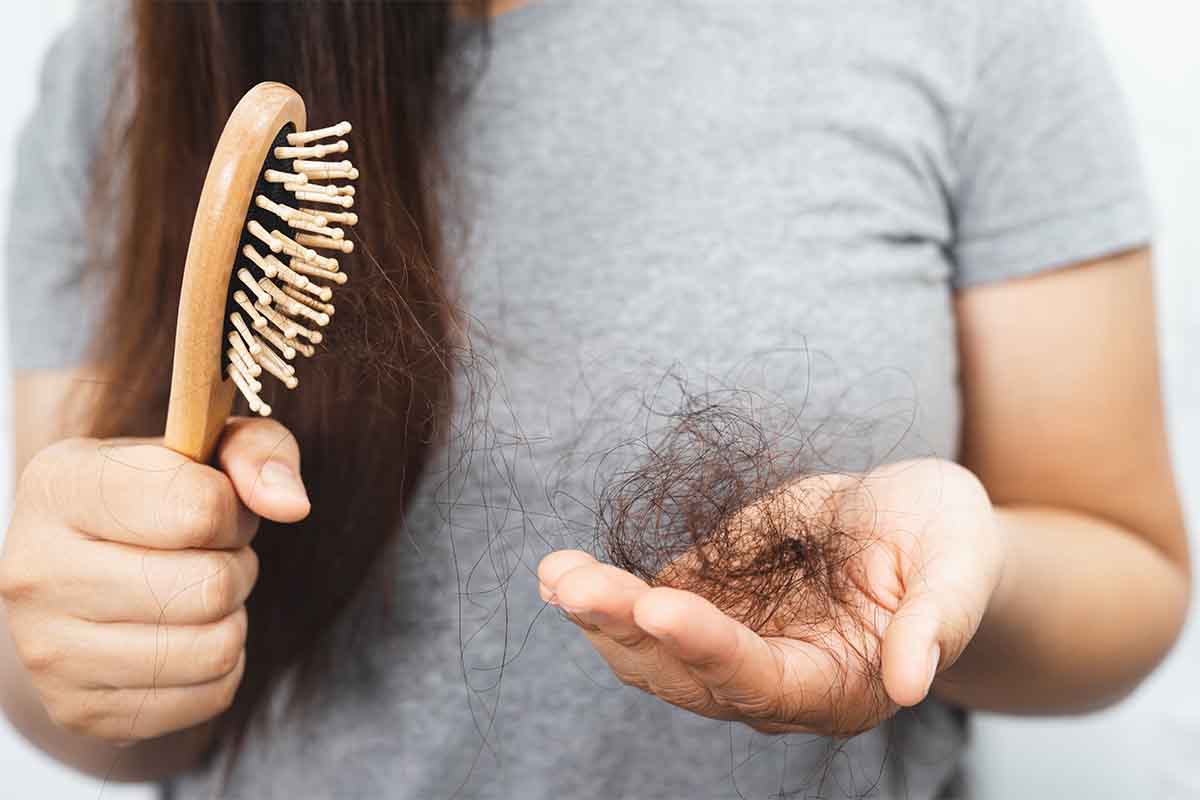
Main Reason For Hair fall, or alopecia, is a extensive concern affecting individuals of all ages, sexes, and genetic backgrounds. While it is normal to shed between 50 and 100 hairs daily as part of the natural hair growth cycle, excessive hair loss can be distressing and may indicate basic health issues or environmental exposures. The causes of hair fall are multifactorial, surrounding genetic, hormonal, nutritional, environmental, lifestyle, medical, and age-related factors. Understanding these diverse contributors is essential for accurate diagnosis, effective management, and prevention strategies. This report provides a perfect, proof-based exploration of the main reasons for hair fall, structured to be accessible to a general audience and supported by current analytical literature.
The Hair Growth Cycle: Foundation for Understanding Hair Loss
Main Reason For Hair Fall the human crown contains approximately 100,000 hair cells, each cycling independently through three main phases: anagen (growth), catagen (regression), and telogen (resting), followed by exogen (shedding). At any given time, about 80–90% of scalp hairs are in the anagen phase, which can last from two to eight years. The catagen phase is brief, lasting a few weeks, and the telogen phase lasts two to three months. Disruption in this cycle—whether by shortening the anagen phase, prolonging telogen, or causing premature entry into catagen—can result in increased hair shedding or thinning.
The hair cell is a complex mini-organ, comprising epithelial and mesenchymal cells, and is influenced by a variety of local and systemic factors. Hair follicle stem cells (HFSCs) in the surge region are crucial for regeneration and repair. The dynamic interplay between genetic programming, hormonal signals, nutritional status, environmental exposures, and immune regulation determines the health and cycling of these follicles.
Main Reason For Hair Fall Genetic Causes: Androgenetic Alopecia (Pattern Hair Loss)
Epidemiology
Androgenetic alopecia (AGA), commonly known as male or female pattern baldness, Main Reason For Hair Fall is the most prevalent form of hair loss worldwide. It affects up to 80% of Caucasian men and 50% of Caucasian women at some point in their lives, with varying prevalence among other ethnic groups. The condition typically manifests as a receding hairline and vertex thinning in men, and diffuse thinning over the crown in women, often sparing the frontal hairline.
Genetic and Molecular Mechanisms
AGA is a polygenic disorder with high heritability—twin studies estimate heritability at around 80%. The most significant genetic risk factor identified is variation in the androgen receptor (AR) gene on the X chromosome, Main Reason For Hair Fall which increases follicular sensitivity to androgens, particularly dihydrotestosterone (DHT). Genome-wide association studies have identified over 100 risk loci, including genes involved in androgen metabolism (e.g., SRD5A2, which encodes 5α-reductase), WNT signaling, and other pathways regulating hair follicle cycling.
Pathophysiology
In AGA, genetically predisposed hair follicles, especially in the frontal and vertex scalp, exhibit increased sensitivity to DHT. DHT binds to androgen receptors in dermal papilla cells, triggering a cascade that shortens the anagen phase, miniaturizes follicles, and converts terminal hairs into fine vellus hairs. This process is gradual and progressive, often beginning after puberty and advancing with age.
Microinflammation, oxidative stress, and subtle immune cell infiltration around the follicle may contribute to disease progression, although the inflammation is less pronounced than in scarring alopecias.

Demographic and Regional Differences
AGA is more common and severe in men of European descent, Main Reason For Hair Fall with earlier onset and greater progression compared to Asian and African populations. In women, AGA often presents after menopause, suggesting a role for estrogen in modulating androgen effects.
Comorbidities
AGA has been associated with increased risk of metabolic syndrome, coronary heart disease, hypertension, insulin resistance, and prostate cancer in men, and polycystic ovary syndrome (PCOS) in women. These associations may reflect shared hormonal or genetic pathways.
Hormonal Factors
Hormones are central regulators of hair follicle cycling, influencing both growth and shedding. Several hormonal imbalances can lead to hair loss:
Androgens
Androgens, particularly DHT, are the primary drivers of AGA. Elevated androgen levels or increased follicular sensitivity to DHT result in miniaturization of scalp hair follicles and progressive hair thinning. In women, androgen excess is often linked to PCOS, which can present with hair thinning, hirsutism, and acne.
Estrogen
Estrogen prolongs the anagen phase and is thought to protect against hair loss. Declining estrogen levels during menopause or after childbirth can trigger telogen effluvium—a temporary, diffuse shedding of hair.
Thyroid Hormones
Both hypothyroidism and hyperthyroidism can disrupt the hair cycle, leading to diffuse hair loss (telogen effluvium) or, less commonly, patchy loss. Hypothyroidism is particularly associated with more severe hair loss, as demonstrated by higher severity scores in affected individuals.
Cortisol and Stress Hormones
Chronic psychological or physiological stress elevates cortisol, which can prolong the telogen phase and inhibit hair follicle stem cell activation, resulting in increased shedding. Recent research has elucidated that stress hormones suppress the secretion of growth factors (such as Gas6) from dermal papilla cells, thereby delaying hair regrowth.

Main Reason For Hair Fall Nutritional Deficiencies
Main Reason For Hair Fall Adequate nutrition is essential for healthy hair growth. Several deficiencies are linked to hair loss:
Iron
Iron deficiency, with or without anemia, is a well-established cause of telogen effluvium, especially in women of reproductive age. Low ferritin levels are commonly observed in women presenting with diffuse hair shedding.
Zinc
Zinc is involved in hair follicle proliferation and immune regulation. Deficiency can contribute to hair thinning, although the evidence for supplementation in the absence of deficiency is limited.
Vitamin D
Low vitamin D status has been associated with various forms of hair loss, including AGA and alopecia areata. Vitamin D receptors are expressed in hair follicles and play a role in cycling and immune modulation.
Biotin and Other B Vitamins
Biotin deficiency is rare but can cause hair thinning. Other B vitamins, such as B12, riboflavin, and folate, are also important for hair health, and deficiencies may contribute to shedding.
Protein
Main Reason For Hair Fall is primarily composed of keratin, a protein. Severe protein deficiency, as seen in restrictive diets or malnutrition, can lead to hair loss.
More Information Hair Fall: https://carevitalhub.com/thinning-hair-solutions-natural-medical-options/
Summary Table: Nutritional Deficiencies and Hair Loss
| Nutrient | Role in Hair Health | Deficiency Effect | Evidence for Supplementation |
|---|---|---|---|
| Iron | Oxygen transport, growth | Telogen effluvium | Strong if deficient |
| Zinc | Cell division, immunity | Thinning, shedding | Limited if not deficient |
| Vitamin D | Follicle cycling, immunity | Thinning, autoimmunity | Emerging, needs more study |
| Biotin | Keratin synthesis | Thinning, brittle hair | Only if deficient |
| Protein | Hair shaft structure | Diffuse shedding | Strong if deficient |
While supplementation may benefit those with documented deficiencies, indiscriminate use of vitamins and minerals is not recommended and may be harmful in excess.
Environmental Factors
Modern environments expose individuals to a range of factors that can adversely affect hair health:
Air Pollution
Airborne pollutants, including particulate matter (PM2.5), volatile organic compounds, and heavy metals, can accumulate on the scalp, induce oxidative stress, and trigger inflammation in hair follicles. Studies have shown that individuals living in urban, polluted areas experience higher rates of hair thinning and scalp sensitivity. Pollutants can disrupt the hair growth cycle, promote microinflammation, and accelerate follicle aging.
Water Quality
Hard water, rich in minerals like calcium and magnesium, can deposit on the scalp and hair, leading to dryness, brittleness, and potential follicle blockage. Chlorinated water, commonly used in swimming pools and municipal supplies, strips natural oils and may irritate the scalp, contributing to hair breakage and thinning.
Ultraviolet (UV) Radiation
Excessive sun exposure damages the protein structure of hair shafts, causes oxidative stress, and accelerates scalp aging. UV radiation can weaken hair, increase brittleness, and contribute to pigment loss (premature graying).
Smoking
Smoking is associated with earlier onset and increased severity of AGA, likely due to its effects on microcirculation, oxidative stress, and follicular inflammation.
Lifestyle Factors
Main Reason For Hair Fall Lifestyle choices significantly influence hair health:
Stress
Acute or chronic stress can precipitate telogen effluvium, where a large number of hairs enter the resting phase and shed simultaneously. Stress also exacerbates autoimmune and inflammatory hair disorders.
Sleep
Poor sleep quality and insufficient duration are linked to increased hair shedding, possibly through hormonal dysregulation and impaired tissue repair.
Smoking and Alcohol
Both smoking and excessive alcohol intake are associated with increased hair loss, likely through vascular, oxidative, and hormonal mechanisms.
Diet
Crash diets, rapid weight loss, and restrictive eating patterns can cause telogen effluvium due to sudden nutrient deprivation.
Hair Care Practices
Frequent use of heat styling tools, harsh chemicals (bleaching, perming, relaxing), and tight hairstyles (braids, ponytails, extensions) can damage hair shafts and follicles, leading to breakage and traction alopecia.
Medical and Drug-Related Causes
Medications
Main Reason For Hair Fall Numerous medications can induce hair loss, typically as telogen effluvium or, less commonly, anagen effluvium. Common culprits include:
Chemotherapy agents (anagen effluvium)
Anticoagulants (e.g., warfarin)
Beta-blockers
Retinoids
Antidepressants
Antithyroid drugs
Anticonvulsants
Main Reason For Hair Fall usually resolves after discontinuation, except in cases of permanent follicle damage (e.g., high-dose radiation).
Medical Treatments
Radiation therapy to the scalp can cause permanent hair loss in treated areas. Surgical procedures, severe infections, and major illnesses can also trigger telogen effluvium.
Autoimmune and Inflammatory Causes
Alopecia Areata
Alopecia areata (AA) is an autoimmune disorder characterized by sudden, patchy, non-scarring hair loss. The immune system targets hair follicles, particularly during the anagen phase, leading to their premature transition to catagen and telogen. AA can affect the scalp, eyebrows, eyelashes, and body hair. The disease course is unpredictable, with spontaneous regrowth in many cases but potential for chronicity or progression to total scalp (alopecia totalis) or body hair loss (alopecia universalis).
AA is associated with other autoimmune conditions, Main Reason For Hair Fall such as thyroid disease, vitiligo, and atopic dermatitis. Genetic predisposition, environmental triggers (infections, stress), and immune privilege collapse in the hair follicle are central to its pathogenesis.
Scarring (Cicatricial) Alopecias
Scarring alopecias, Main Reason For Hair Fall such as lichen planopilaris, frontal fibrosing alopecia, and discoid lupus erythematosus, involve permanent destruction of hair follicles by inflammatory or autoimmune processes. These conditions are less common but result in irreversible hair loss due to follicular fibrosis.
Seborrheic Dermatitis and Scalp Infections
Chronic inflammation of the scalp, Main Reason For Hair Fall as seen in seborrheic dermatitis, can contribute to hair shedding. Fungal infections (tinea capitis) and, less commonly, bacterial infections can cause patchy hair loss, often with associated scaling, redness, or pustules.
Infectious and Scalp Conditions
Tinea Capitis
Tinea capitis is a fungal infection of the scalp, most common in children, Main Reason For Hair Fall but can affect adults. It presents as patchy hair loss, scaling, and sometimes inflammation (kerion). Severe cases may result in scarring and permanent hair loss if not treated promptly with systemic antifungals.
Other Scalp Disorders
Psoriasis, lichen planus, and folliculitis can also affect the scalp and contribute to hair loss through inflammation, scaling, and follicular damage.
Aging and Senescent Alopecia
Age-Related Changes
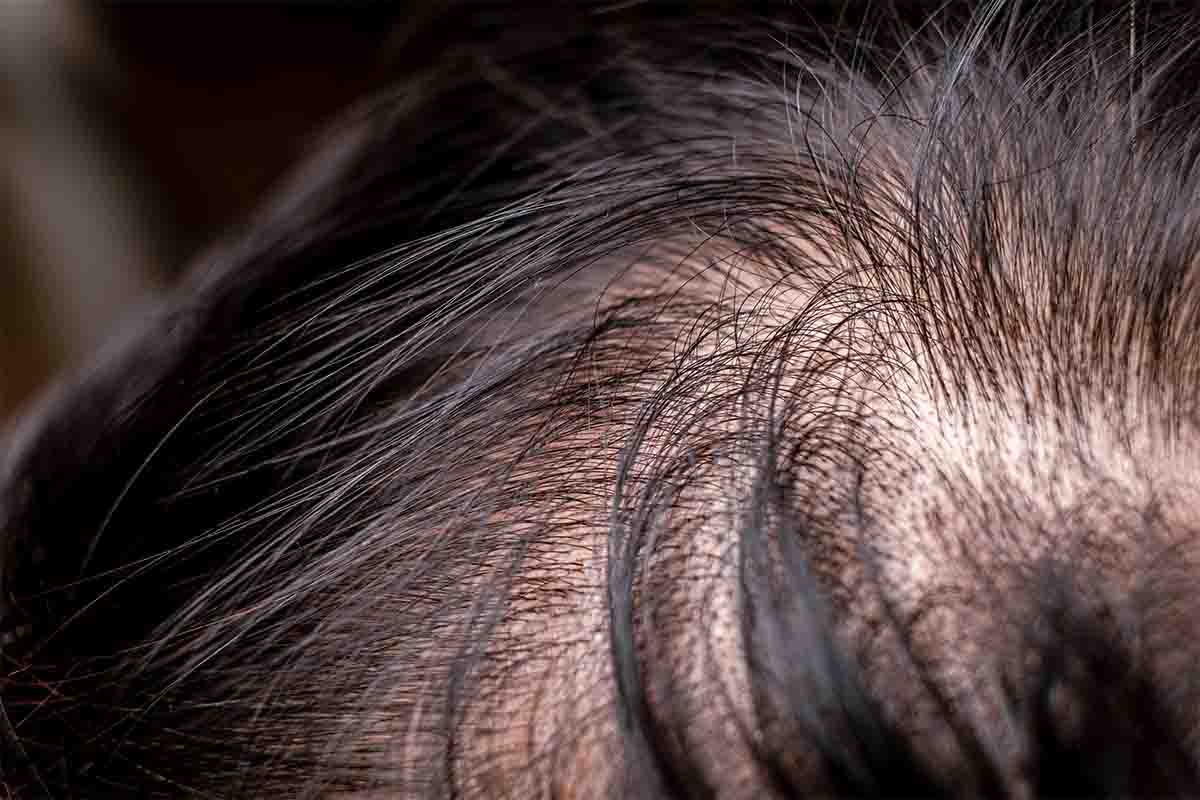
Main Reason For Hair Fall thinning with age, known as senescent or involutional alopecia, is distinct from AGA. It is characterized by diffuse reduction in hair density and shaft diameter across the scalp, without the patterned miniaturization seen in AGA. Senescent alopecia typically manifests after age 50 and affects both sexes, even in the absence of a family history of pattern baldness.
Mechanisms
Aging leads to stem cell exhaustion, increased cellular senescence, DNA damage, mitochondrial dysfunction, and changes in the follicular microenvironment. These factors collectively reduce the regenerative capacity of hair follicles and shorten the anagen phase. Environmental exposures, chronic inflammation, and polypharmacy in older adults may exacerbate age-related hair loss.
Hair Care Practices and Traction Alopecia
Traction Alopecia
Traction alopecia results from chronic tension on the hair shaft, commonly due to tight hairstyles (braids, ponytails, extensions), frequent use of hair rollers, or head coverings. Early signs include broken hairs and scalp tenderness, progressing to thinning and, if unaddressed, permanent follicle damage.
Chemical and Heat Damage
Excessive use of chemical treatments (bleaching, relaxing, perming) and heat styling weakens hair shafts, leading to breakage and increased shedding. Over time, repeated trauma can damage follicles and contribute to chronic hair loss.
Diagnostic Approach and Clinical Evaluation
Main Reason For Hair Fall Accurate diagnosis of hair loss requires a thorough clinical evaluation:
History: Onset, duration, pattern, associated symptoms, family history, recent illnesses, medications, diet, and hair care practices.
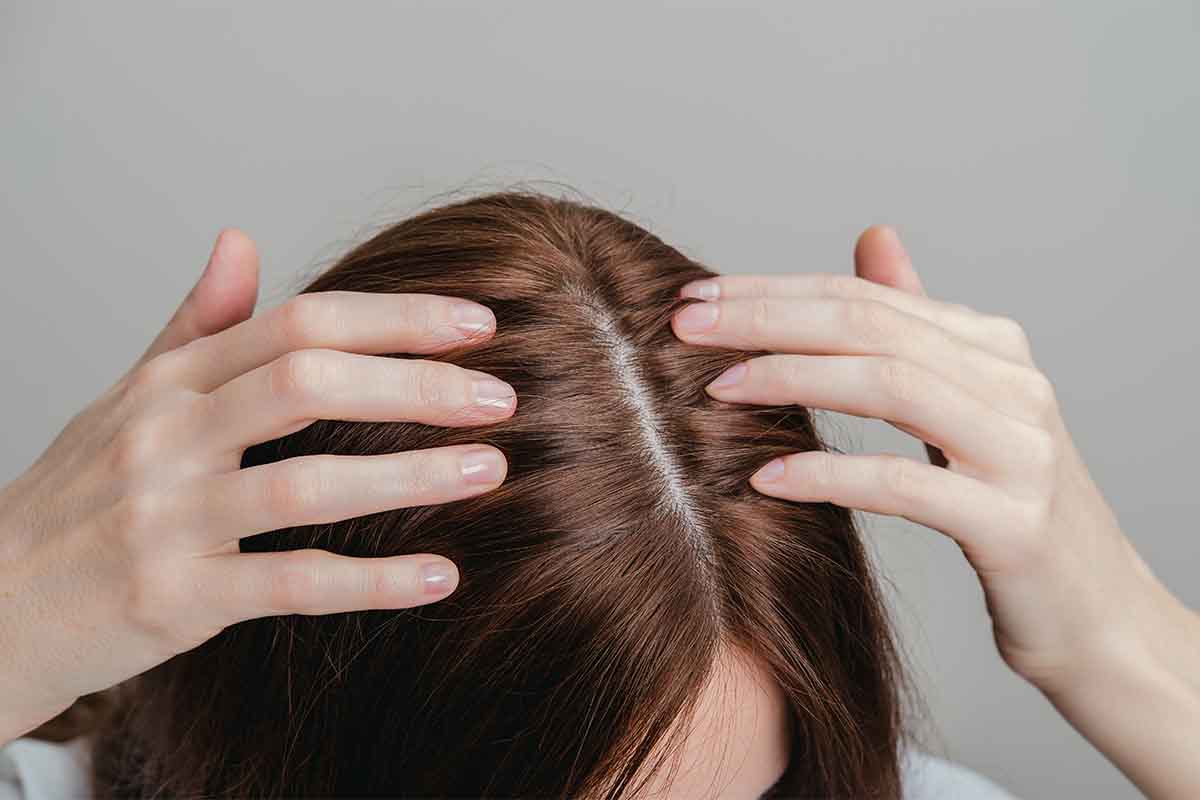
Physical Examination: Scalp inspection for pattern, inflammation, scaling, scarring, or broken hairs.
Pull Test: Gently pulling a cluster of hairs to assess active shedding.
Trichoscopy: Noninvasive dermatoscopic examination to visualize follicular patterns, miniaturization, and specific features of different alopecias.
Laboratory Tests: Assessment for iron status, thyroid function, vitamin D, and other relevant markers.
Scalp Biopsy: Reserved for unclear cases or suspected scarring alopecias, providing definitive histopathological diagnosis.
A stepwise approach, Main Reason For Hair Fall starting with noninvasive methods and escalating to biopsy when necessary, ensures accurate diagnosis and guides management.
Main Reason For Hair Fall Evidence-Based Treatments and Interventions
Androgenetic Alopecia
Topical Minoxidil: Increases anagen duration and hair density; effective in both men and women.
Oral Finasteride: 5α-reductase inhibitor that reduces DHT levels; approved for men, sometimes used off-label in women.
Low-Level Laser Therapy: May stimulate hair growth, though evidence is still emerging.
Hair Transplantation: Surgical option for advanced cases.
Alopecia Areata
Corticosteroids: Topical, intralesional, or systemic for immune suppression.
JAK Inhibitors: Recent advances have shown efficacy in moderate-to-severe cases.
Immunotherapy: Contact sensitizers for chronic or extensive disease.
Telogen and Anagen Effluvium
Address Underlying Cause: Correction of nutritional deficiencies, discontinuation of offending medications, management of thyroid or systemic diseases.
Supportive Care: Gentle hair care, stress management, and reassurance, as most cases are reversible.
Scarring Alopecias
Early Diagnosis and Immunosuppression: To prevent irreversible follicle loss.
Antimalarials, Tetracyclines, or Other Immunomodulators: Depending on the specific diagnosis.
Traction Alopecia
Cessation of Traumatic Hairstyles: Early intervention can reverse hair loss; chronic cases may require surgical restoration.
Nutritional and Lifestyle Interventions
Balanced Diet: Adequate protein, iron, zinc, vitamin D, and other micronutrients.
Smoking Cessation and Stress Reduction: To minimize modifiable risk factors.
Gentle Hair Care: Avoiding excessive heat, chemicals, and tension.
Prevention Strategies and Holistic Management
Main Reason For Hair Fall Preventing hair loss involves a multifaceted approach:
Early Identification: Recognizing risk factors and early signs allows for timely intervention.
Lifestyle Modification: Healthy diet, regular exercise, stress management, and avoidance of smoking and excessive alcohol.
Environmental Protection: Minimizing exposure to pollutants, UV radiation, and harsh water.
Scalp and Hair Care: Using mild shampoos, avoiding tight hairstyles, and limiting chemical and heat treatments.
Medical Monitoring: Regular screening for thyroid disorders, iron deficiency, and other systemic conditions in at-risk populations.
Regional, Demographic, and Sex Differences
Main Reason For Hair Fall patterns and prevalence vary by ethnicity, sex, and age:
Ethnicity: Caucasian men have the highest rates of AGA, followed by Asian and African populations. Women of all backgrounds experience lower rates and later onset.
Sex: Men are more likely to develop patterned hair loss, while women more commonly present with diffuse thinning.
Age: Incidence and severity increase with age, with senescent alopecia becoming more prominent after age 50.
Recent Research and Molecular Mechanisms
Main Reason For Hair Fall Advances in molecular biology have deepened understanding of hair follicle biology:
Stem Cell Dynamics: HFSCs in the bulge region are regulated by WNT, BMP, FGF, and JAK/STAT pathways. Disruption in these signals contributes to various forms of alopecia.
Immune Privilege: Loss of immune privilege in the hair follicle is central to autoimmune hair loss (e.g., AA).
Epigenetics: DNA methylation and histone modifications influence gene expression in hair follicles, affecting susceptibility to hair loss.
Microbiome: Emerging evidence suggests that scalp and gut microbiota may influence hair health and disease susceptibility.
Conclusion
Main Reason For Hair Fall is a complex, multifactorial phenomenon resulting from the interplay of genetic, hormonal, nutritional, environmental, lifestyle, medical, and age-related factors. Androgenetic alopecia remains the most common cause, driven by genetic predisposition and androgen sensitivity. Hormonal imbalances, nutritional deficiencies, environmental exposures, stress, medical treatments, autoimmune diseases, and aging all contribute to various forms of hair loss. Accurate diagnosis requires a comprehensive clinical approach, and management should be tailored to the underlying cause, incorporating evidence-based medical therapies, nutritional support, lifestyle modification, and preventive strategies. Ongoing research into the molecular and cellular mechanisms of hair follicle biology promises to yield novel interventions and improve outcomes for individuals affected by hair loss.
FAQs on Main Reason For Hair Fall
1. What is the main reason for hair fall?
The most common reason is genetic factors, particularly androgenetic alopecia (male or female pattern baldness). This hereditary condition affects millions worldwide and usually follows predictable patterns.
2. Can stress cause hair fall?
Yes. Stress can trigger temporary hair shedding known as telogen effluvium, where more hairs than usual enter the resting phase and fall out.
3. Does poor nutrition lead to hair fall?
Nutritional deficiencies, especially in iron, vitamin D, zinc, and protein, can weaken hair growth and cause shedding.
4. How many hairs is normal to lose daily?
It is natural to lose 50–100 hairs per day. More than this may signal an underlying issue.
5. Can medical conditions cause hair fall?
Yes. Conditions such as thyroid disorders, alopecia areata, scalp infections, and autoimmune diseases can lead to hair loss.
6. Is hair fall permanent?
It depends on the cause. Genetic hair loss is usually permanent, while hair fall from stress, nutrition, or illness can often be reversed with treatment